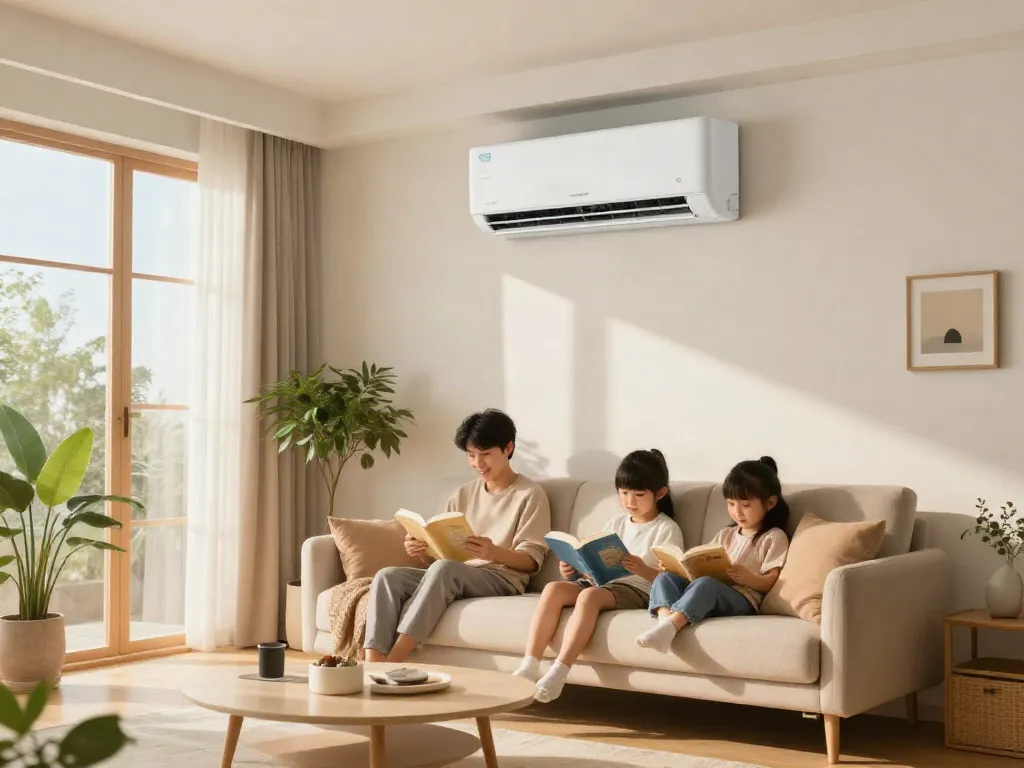
The Advantages of Ductless Air Conditioner Mini Systems
As homeowners seek efficient and effective solutions for climate control, ductless air conditioner mini systems have emerged as a popular choice. These versatile heating and cooling systems provide comfort without the need for traditional ductwork, making them an ideal solution for many living spaces. In this article, we will explore the numerous benefits of ductless mini-split systems, their installation options, maintenance requirements, and how they contribute to improved air quality in your home.
What is a Ductless Air Conditioner Mini?
A ductless air conditioner mini, also known as a mini-split system, consists of an outdoor compressor and one or more indoor air handling units. These systems operate independently from traditional HVAC systems, using refrigerant lines to connect the indoor and outdoor units. With their compact design and flexibility, they are suitable for various applications, including homes, apartments, offices, and even multi-zone setups where temperature control is critical.
Key Benefits for Homeowners
- Space-saving Design: Mini-split systems are compact and can be installed in areas where traditional air conditioners wouldn't fit.
- Multi-Zone Cooling: Homeowners can control the temperature in multiple rooms independently, maximizing comfort and efficiency.
- Quiet Operation: These systems operate silently, providing a peaceful atmosphere while maintaining optimal temperatures.
- No Ductwork Required: The absence of ductwork eliminates the potential for energy loss associated with ducted systems, making them more efficient.
Energy Efficiency and Cost Savings
Energy efficiency is one of the primary reasons homeowners consider ductless air conditioner mini systems. With SEER (Seasonal Energy Efficiency Ratio) ratings often exceeding 20, these systems consume significantly less energy compared to traditional units. Furthermore, many mini-split systems are equipped with inverter technology, which adjusts the compressor speed to maintain the desired temperature while consuming less power. This capability translates into substantial savings on energy bills, allowing homeowners to invest in other areas of their home.
Understanding Installation Options
Wall-Mounted vs. Ceiling-Mounted Units
When selecting a ductless air conditioner mini, homeowners have the option between wall-mounted and ceiling-mounted units. Wall-mounted systems are the most common choice, as they are easy to install, maintain airflow efficiency, and can be placed strategically for optimal cooling. Ceiling-mounted units, on the other hand, provide an unobtrusive option that is perfect for spaces with limited wall space. Both options offer similar performance, so the choice often depends on the specific layout and aesthetic preferences of the home.
Choosing the Right Size for Your Space
Selecting the correct size for your ductless air conditioner mini is crucial for optimal performance. Systems that are too small will struggle to cool or heat your space efficiently, while oversized units can lead to short cycling, increased wear and tear, and higher energy costs. To determine the appropriate size, consider factors such as the square footage of the area, insulation quality, and local climate conditions. Consulting with a professional installer can help you make the most informed decision.
Professional Installation vs. DIY
While some homeowners may consider DIY installation of ductless mini-split systems, professional installation is highly recommended. Certified HVAC technicians have the knowledge and skills necessary to ensure correct mounting, proper refrigerant handling, and adherence to local building codes. A professionally installed system can provide peace of mind, ensuring that your ductless air conditioner mini operates efficiently and effectively for years to come.
Maintenance and Care for Your Mini-Split System
Regular Cleaning and Filter Replacement
Maintaining a ductless air conditioner mini involves regular cleaning and filter replacement. Indoor units are equipped with air filters that capture dust, pollen, and other particles, which can impede airflow if not cleaned or replaced regularly. Homeowners should inspect their filters at least once a month and clean them as needed, typically every three months, to maximize efficiency and air quality.
Seasonal Maintenance Checklist
Completing a seasonal maintenance checklist can help ensure your mini-split system operates at peak efficiency. Key tasks include:
- Cleaning or replacing air filters.
- Checking the outdoor unit for debris and ensuring proper airflow.
- Inspecting insulation on refrigerant lines.
- Scheduling professional maintenance annually to check refrigerant levels and electrical connections.
Common Issues and Troubleshooting Tips
Like any HVAC system, ductless mini-splits can encounter problems. Common issues include inadequate cooling, unusual noises, or system leaks. Homeowners can troubleshoot simple problems by checking the remote control settings, inspecting the filters, and ensuring that the outdoor unit is free from obstructions. For persistent issues, consulting a professional technician is advised.
Enhancing Air Quality with Ductless Air Conditioner Minis
How Mini Splits Improve Indoor Air Quality
Ductless air conditioner mini systems are designed to enhance indoor air quality effectively. By improving air circulation and filtering allergens out of the air, these systems help maintain a healthier living environment. As they avoid the dust and contaminants that can accumulate in ductwork, mini-splits can significantly reduce airborne irritants.
Integrating with Home Air Purification Systems
For homeowners seeking to further enhance air quality, integrating a ductless mini-split system with air purification technologies can yield significant benefits. Many models allow for the addition of air purifiers or advanced filters that capture finer particles and allergens. This combination can greatly improve overall air quality and promote a healthier home atmosphere.
Long-Term Health Benefits of Clean Air
Investing in a ductless air conditioner mini not only improves comfort but also contributes to long-term health benefits. Clean air can reduce the incidence of respiratory problems, allergies, and other health issues associated with poor air quality. Ensuring a consistent and controlled indoor environment can lead to improved well-being for all household members.
Future Trends in Ductless Air Conditioning
Smart Technology Integration in Mini Splits
As technology continues to advance, ductless mini-split systems are increasingly integrating smart technology features. Homeowners can now control their systems via mobile apps, allowing for customized temperature settings, scheduling, and energy consumption tracking. These innovations provide enhanced convenience and efficiency, moving towards a more connected and responsive home environment.
Trends for Energy Efficiency in 2026 and Beyond
The pursuit of energy efficiency is a driving force behind advancements in ductless air conditioning technology. In 2026 and beyond, expect to see mini-split systems featuring higher SEER ratings, improved insulation, and enhanced inverter technology. These innovations aim to further reduce energy consumption and operating costs, making ductless systems an even more attractive option for eco-conscious homeowners.
Sustainability Practices in HVAC Systems
Sustainability is becoming a core consideration for homeowners and manufacturers alike. Ductless air conditioners are increasingly being designed with eco-friendly refrigerants and sustainable manufacturing practices. This commitment to sustainability not only addresses climate change concerns but also helps homeowners reduce their carbon footprint through energy-efficient heating and cooling solutions.
What are the cost considerations for a ductless air conditioner mini?
When considering a ductless air conditioner mini, homeowners should evaluate both initial costs and long-term savings. While the upfront investment may be higher than traditional systems, the energy efficiency and potential savings on utility bills often justify the price. Additionally, many utilities offer rebates and incentives for energy-efficient installations, further offsetting costs.
How do ductless systems compare to traditional HVAC?
Ductless systems offer several advantages over traditional HVAC setups, primarily in terms of efficiency and flexibility. Unlike conventional systems that rely on ductwork, ductless mini-splits eliminate energy loss through leaky ducts. Moreover, they allow for targeted heating and cooling, which can enhance comfort and reduce energy consumption. In contrast, traditional systems may require complex installations, especially in homes not originally designed for ductwork.
What is the lifespan of a ductless air conditioner mini?
With proper maintenance, ductless air conditioner minis can last between 15 to 20 years. Regular cleaning, timely repairs, and seasonal check-ups can significantly extend the lifespan of these systems, ensuring they operate efficiently throughout their service life. Homeowners should be proactive in caring for their units to maximize their investment.
Are ductless air conditioner minis suitable for all climates?
Ductless air conditioner mini systems are versatile and can function effectively in various climates. However, extreme temperatures may require specific models designed for high or low ambient conditions. Homeowners should consider their local climate and consult with professionals to select the right system that meets their heating and cooling needs.
What features to look for when choosing a ductless air conditioner mini?
When selecting a ductless air conditioner mini, consider features such as energy efficiency ratings, noise level, smart technology compatibility, and warranty terms. Additionally, look for systems with flexible installation options and customizable settings to ensure they meet your unique home climate needs. Evaluating these factors will help you make an informed decision and invest in a system that will provide comfort for years to come.