
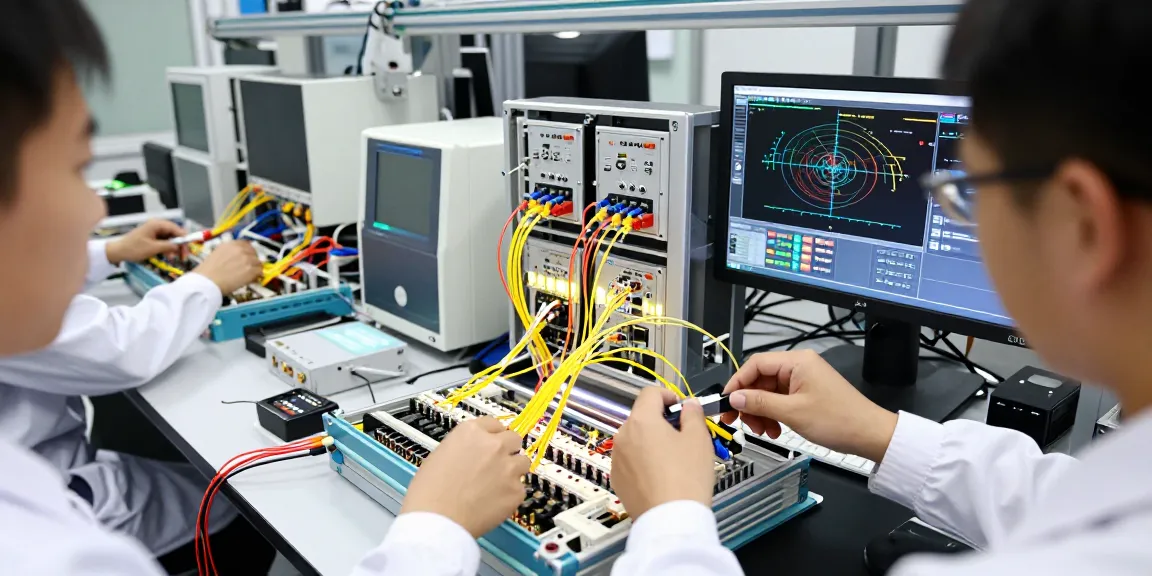
Understanding Fiber Connections and Their Importance
In today’s fast-paced digital landscape, the role of fiber connections has never been more crucial. As businesses strive for seamless communication and data transfer, understanding the importance of these connections can be a game-changer. Fiber-optic technology offers unparalleled speed, reliability, and bandwidth, making it the go-to choice for modern networks. Organizations like NYSE, Facebook, and Ciena rely on high-quality fiber connections to support their essential operations and maintain competitive advantages. When exploring options, fiber connections offer comprehensive insights into creating efficient network infrastructures.
What Are Fiber Connections?
Fiber connections utilize light transmitted through glass or plastic fibers to carry data. Unlike traditional copper cables that rely on electrical signals, optical fibers encode data in light pulses, allowing for faster and more reliable communication. Fiber connections come in two main types: single-mode and multi-mode, each suited to different applications. Single-mode fiber is designed for long-distance communication, while multi-mode fiber is typically used for shorter distances. This technology is fundamental in various sectors, from telecommunications to data centers, where speed and reliability are paramount.
Advantages of Fiber Optics Over Traditional Solutions
- Higher Bandwidth: Fiber-optic cables can transmit large amounts of data over vast distances without significant loss of quality.
- Faster Speeds: Data transmitted through fiber optics travels at the speed of light, offering unparalleled performance compared to copper cables.
- Lower Signal Loss: Fiber connections experience less attenuation, ensuring more consistent performance across long distances.
- Immunity to Interference: Unlike copper cables, fiber optics are not susceptible to electromagnetic interference, providing a more stable connection.
- Durability: Fiber cables are more resistant to environmental factors, making them suitable for both indoor and outdoor installations.
Key Applications of Fiber Connections in Modern Networks
Fiber connections are the backbone of modern telecommunications infrastructure. They are used in various applications, including:
- Data Centers: High-speed data transfer between servers and storage systems.
- Telecommunications: Connecting long-distance calls and internet services.
- Broadcasting: Transmitting high-quality video signals over long distances.
- Medical Equipment: Providing connectivity for imaging and monitoring devices within healthcare.
Choosing the Right Fiber Optic Solutions
When selecting fiber-optic solutions for your business, understanding the different types available and their specific uses is essential. Choosing the right cables can dramatically impact your network’s performance and reliability.
Types of Fiber Connections: Single-Mode vs Multi-Mode
Single-mode fiber consists of a single glass fiber that allows light to travel straight down the fiber, ideal for long distances (up to 100 kilometers) with minimal loss. Multi-mode fiber has a larger core that allows multiple light modes to travel, making it suitable for shorter distances typically found within buildings.
Factors to Consider When Selecting Fiber Cables
Selecting the appropriate fiber optic cables involves assessing several key factors:
- Distance: Determine how far the data needs to travel to choose between single-mode and multi-mode fiber.
- Bandwidth Requirements: Higher bandwidth needs may necessitate advanced multi-mode or single-mode fibers.
- Environment: Consider environmental factors that may affect the installation, such as temperature and moisture.
Common Misconceptions About Fiber Connectivity
Despite its advantages, there are several common misconceptions that may deter businesses from adopting fiber connections:
- Cost: Many believe that fiber installation is prohibitively expensive; however, the long-term savings on maintenance and performance often offset initial costs.
- Complexity: Some think that fiber technology is too complicated, but advancements in installation and management have simplified the process significantly.
Implementing Fiber Connections in Your Infrastructure
Successfully integrating fiber connections into your existing infrastructure requires careful planning and execution. Below is a guide to help streamline the implementation process.
Step-by-Step Guide to Setting Up Fiber Optic Networks
- Assessment: Evaluate your current network to identify areas for fiber integration.
- Design: Create a detailed plan for the installation, including cable paths and necessary hardware.
- Installation: Follow best practices to avoid damaging the fiber during installation, including proper bending radius considerations.
- Testing: Conduct thorough testing post-installation to ensure all connections are functioning correctly.
Best Practices for Fiber Cable Installation and Maintenance
To ensure optimal performance, adhere to these best practices:
- Proper Handling: Avoid excessive bending or twisting of cables during installation.
- Environmental Control: Maintain appropriate temperature and humidity levels in installation areas.
- Regular Inspections: Schedule routine checks to identify and resolve potential issues.
Common Challenges and Solutions During Implementation
Some typical challenges during fiber installation include:
- Physical Limitations: Dense urban environments may restrict installation routes. Collaborating with local authorities can help navigate these challenges.
- Budget Constraints: Organizations may struggle with initial costs. Exploring financing options or phased rollouts can alleviate financial pressure.
Performance Metrics for Fiber Connections
Once your fiber network is operational, monitoring its performance is vital to ensure it meets your expectations.
Measuring Network Performance and Reliability
Key performance metrics to assess include:
- Signal Strength: Ensure signals remain strong enough to prevent data loss.
- Latency: Measure delay times to ensure quick data transfers.
- Error Rates: Monitor for any data loss or transmission errors.
Tools for Monitoring Fiber Connection Quality
Utilize the following tools to monitor your fiber connections effectively:
- Optical Time-Domain Reflectometers (OTDR): Used to diagnose faults and measure cable lengths.
- Network Management Systems (NMS): Provides comprehensive oversight of network performance and reliability metrics.
Interpreting Data and Making Adjustments
Regularly analyzing performance data allows for proactive adjustments to maintain network efficiency. Implementing changes based on this data ensures your fiber connections continue to meet growing demands.
The Future of Fiber Connections in AI and Data Centers
The future of fiber connections is poised for significant advancements, driven by increasing data demands and technological innovations.
Trends Shaping Fiber Optics in 2026 and Beyond
As we look towards 2026, several trends are emerging:
- Increased Adoption of AI: AI-driven applications will necessitate faster and more reliable fiber connections.
- Sustainability Initiatives: The industry is moving towards more eco-friendly fiber production and installation methods.
- Advancements in Connectivity Technologies: Innovations such as Co-Packaged Optics and silicon photonics will enhance performance capabilities.
Innovations in Fiber Connectivity Technologies
Innovative solutions like passive optical networks (PON) and high-density fiber assemblies are revolutionizing data transfer, paving the way for future-proof networks that can handle higher data loads.
Preparing Your Network for Future Demands
To accommodate the increasing demands placed on networks, businesses must remain agile and prepared for the implementation of advanced fiber technologies. This includes investing in scalable infrastructure that can adapt to changing data requirements and maintaining strong relationships with trusted suppliers for ongoing support.
What are the benefits of using fiber connections?
Fiber connections offer numerous benefits, including increased speed, reliability, bandwidth, and lower maintenance costs compared to traditional copper cables.
How do I choose the right fiber optic cables?
Consider key factors such as distance requirements, bandwidth needs, and the intended applications of the networking infrastructure.
What are the common challenges in implementing fiber connections?
Some challenges include physical limitations in installation areas, budget constraints, and the complexity of installation processes.
How can I ensure my fiber connections are performing optimally?
Regular testing and monitoring of network performance metrics can help identify and rectify issues before they affect service quality.
What future technologies will impact fiber connections?
Emerging technologies such as AI-driven applications, advanced sensing solutions, and sustainable manufacturing practices are set to impact fiber connections significantly.

